- Forensics & Investigative
- Communication
- Leadership
-
Specialized Training
- Overview
- ALERRT Level 1
- Applied Verbal De-escalation Tactics
- Applied Verbal De-escalation Tactics: Train-the-Trainer
- Basic School Resource Officer
- Basic Spanish for Law Enforcement
- Effective Policing: Autism Response
- Effective Policing: Foundations of Trust
- Field Training Officer
- Field Training Officer Coordinator
- Instructor Development
- Non-Confrontational Investigative Interviewing
- About
Forensic Science Fellowship
Where Forensic Disciplines Unite
Advance your expertise with this comprehensive, 10-month professional fellowship designed to strengthen collaboration across the forensic community.
The Forensic Science Fellowship unites forensic pathology, anthropology, odontology, toxicology, medicolegal death investigation, disaster victim identification and the legal system. Through expert-led instruction, hands-on training and interdisciplinary casework, fellows gain a deeper understanding of how each specialty contributes, from scene investigation and human identification to case interpretation and courtroom presentation.
- Launching February 2027
- Receive email updates about this program
Built for Working Professionals
Our hybrid educational model combines virtual learning with immersive hands-on instruction. Monthly, in-person training is in Oak Ridge at the National Forensic Academy and Outdoor Forensic Training Facility.
The fellowship includes instruction and applied training through:
- Interactive case discussions.
- Hands-on laboratory exercises.
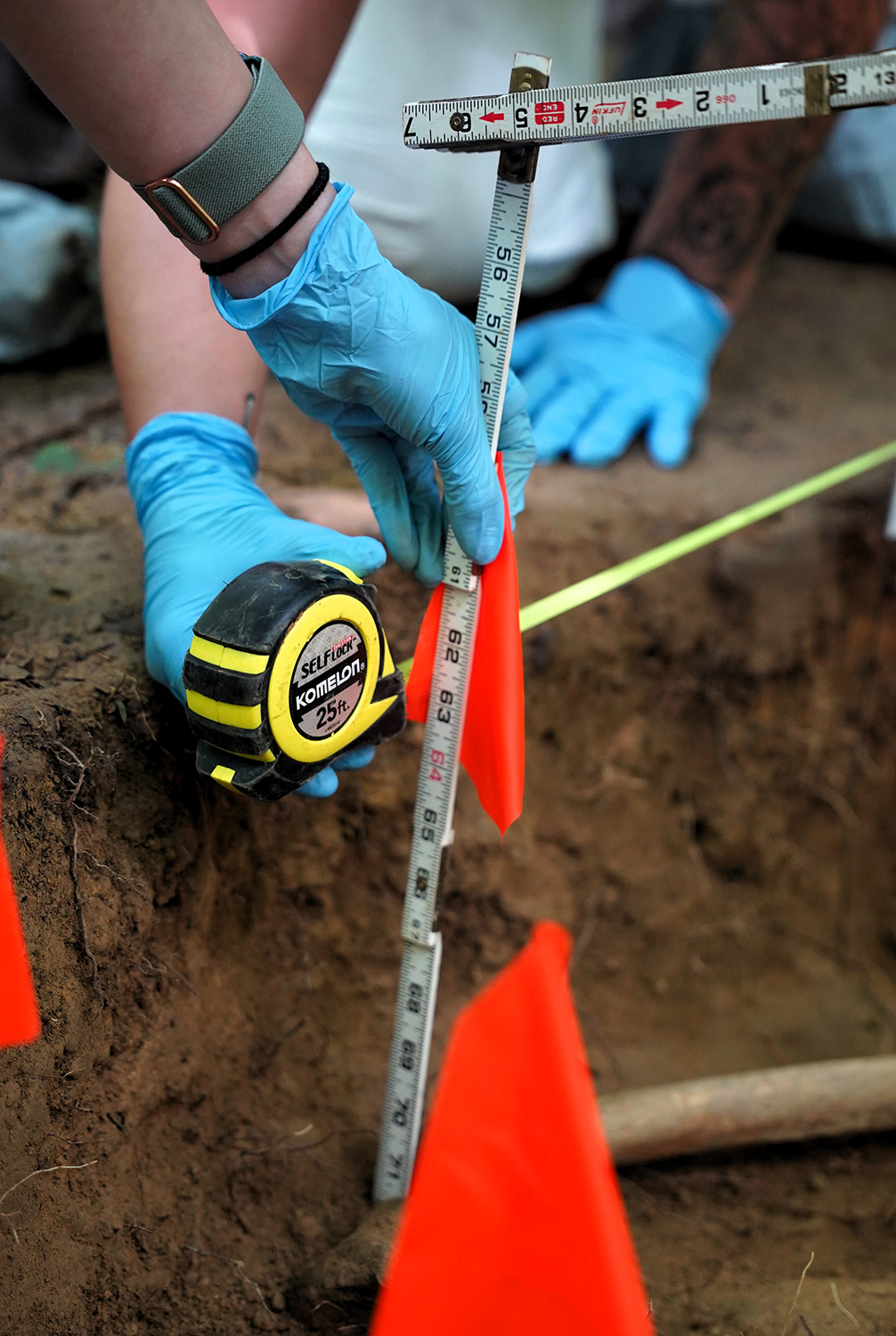
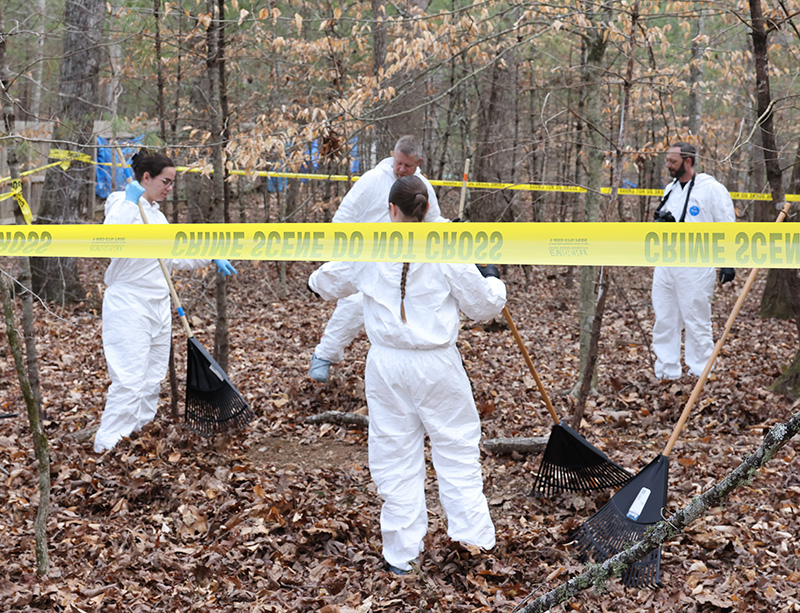
- Clandestine grave outdoor field experiences.
- Interdisciplinary workshops.
- Autopsy observation.
- Medicolegal death investigator ride-along.
- Legal and expert-witness practice.
Program Overview
Every forensic case depends on professionals from different disciplines working toward a shared understanding of the evidence. Yet opportunities to learn how those specialties connect are often limited.
The Forensic Science Fellowship unites the forensic community through an interdisciplinary program combining expert-led instruction, hands-on training, field experiences and realistic case-based learning.
Fellows explore how forensic disciplines contribute throughout an investigation—from the scene and postmortem examination to human identification, case interpretation and courtroom presentation.
By understanding the roles, methods and limitations of each specialty, participants are better prepared to collaborate effectively and approach complex cases with greater confidence.
Program Benefits
The fellowship provides a broad understanding of the entire forensic process, as well as when different specialties become involved in an investigation.
Participants will:
- Develop working knowledge of multiple forensic disciplines.
- Strengthen interdisciplinary communication and collaboration.
- Learn current evidence-based forensic practices.
- Participate in realistic case-based learning.
- Gain hands-on field and laboratory experience.
- Build a professional network of experts across forensic science.
- Enhance decision-making through interdisciplinary problem solving.
Interdisciplinary Collaboration
Throughout the fellowship, participants will learn alongside professionals from forensic, medical, investigative, scientific and legal backgrounds. Collaborative case discussions and practical exercises will allow fellows to examine the same evidence from different professional perspectives.
Participants will practice sharing findings, recognizing the boundaries of each specialty, determining when consultation is needed and integrating information into a clear and defensible case interpretation. This collaborative approach reflects how complex forensic cases are managed in practice—through coordinated expertise rather than focusing on one discipline.
Curriculum is organized into comprehensive modules that progressively build knowledge. Each module integrates a forensic discipline into a single capstone investigation.
- Foundations and Principles
- Death Scene Investigation
- Forensic Pathology
- Disaster Victim Identification
- Forensic Anthropology
- Forensic Odontology
- Legal Considerations and Expert Witness Testimony
This fellowship is for professionals involved in forensic investigations, human identification and medicolegal death investigations, including but not limited to:
- Medical examiners and forensic pathologists.
- Coroners and medicolegal death investigators.
- Forensic anthropologists.
- Forensic odontologists and practicing dentists.
- Forensic toxicologists and laboratory scientists.
- Forensic radiologists.
- DNA analysts and forensic biologists.
- Disaster victim identification personnel.
- Attorneys and other legal professionals working with forensic evidence.
- Other qualified professionals involved in death investigation and human identification.
Tuition: $20,000
Tuition includes:
- Live virtual and in-person instruction from nationally recognized faculty.
- Hands-on laboratory training and interdisciplinary case exercises.
- Access to approved training areas and facilities at the Regional Forensic Center (RFC).
- Autopsy observation and medicolegal death investigator ride-along experiences, subject to RFC policies and availability.
- Access to the Outdoor Forensic Training Center (OFTC).
- Outdoor recovery and clandestine-grave exercises.
- Legal and expert-witness experience.
- Laboratory supplies and training materials.
- Certificate of completion.
All facility access, observations and field experiences are supervised and subject to applicable safety, confidentiality, scheduling and institutional requirements.
Tuition does not include:
- Travel to and from training locations.
- Lodging and local transportation.
- Meals and personal expenses.
- Professional licensing or certification fees.
- Continuing education reporting or transcript fees, if applicable.
- Personal clothing, footwear or other items specified for field training.
Participants are responsible for arranging their own travel, accommodations and transportation. Additional requirements and recommended lodging information will be provided before the program begins.
Applications
Applications are expected to open in fall 2026 for the inaugural February 2027 cohort.
Enrollment will be limited to maintain an interactive learning environment and maximize hands-on instruction.
Participants must apply for admission. After review by the selection committee, applicants will be notified of their status. Accepted participants will receive an acceptance packet by email.
Applicants will be asked to submit:
- A completed application.
- A current resume or curriculum vitae.
- A brief statement of intent describing their professional background, interest in the fellowship and goals for participating.
- Professional references or additional documentation, if requested.
Admission Requirements
Applicants should meet the following requirements:
- Hold a degree, professional credential or relevant experience in a forensic, medical, dental, scientific, investigative or legal field.
- Demonstrate a professional or academic interest in forensic science and interdisciplinary collaboration.
- Be able to participate in both virtual instruction and scheduled in-person training in Oak Ridge, Tennessee.
- Commit to the full 10-month program and its required learning activities.
- Follow all confidentiality, professional conduct, facility-access and safety requirements.
International professionals, including internationally trained dentists and physicians, are encouraged to apply. Admission will be considered based on education, professional experience, program compatibility and space availability.
Applicants from related disciplines who do not meet the traditional professional categories may be considered individually. Please contact us to discuss eligibility or international participation requirements.
Continuing education opportunities may be available for eligible participants across multiple professional disciplines. Credit availability, approved hours and requirements may vary by profession and accrediting organization.
Please contact us directly for current approval information, eligibility requirements and additional details.
Continuing education approval is anticipated through applicable accrediting organizations (AGD & ACCME).